Table of Contents
- Utah Home Selling
- Which Areas in Utah Offer the Best Return on Investment and Are Easiest for Residential Property Development?
- What Home Styles, Sizes, and Features Tend to Sell Fastest in the Utah Market?
- What Should Home Sellers Know About Zoning Laws, Permits, and Regulatory Requirements in Utah?
- Which Towns or Cities in Utah Are Easiest, and Hardest, When It Comes to Navigating Real Estate Regulations?
- What Are the Most Effective Flipping and Resale Strategies for Maximizing Profit in Utah's Housing Market?
- How Should Sellers Price Their Homes to Attract Buyers While Maximizing Value in Utah?
- Which Key Economic, Social, and Regulatory Factors Are Driving Current Trends in Utah's Local Property Markets?
Utah Home Selling
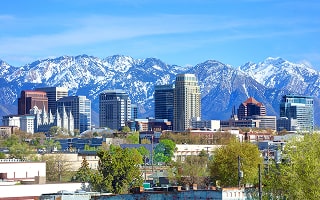
After hitting its previous all-time high of around $573,000 in 2022, median home prices in Utah have shown little to no growth since. Nevertheless, with a median sale price of about $580,000 the state's housing market remains the ninth most expensive in the United States.
Though the Mountain West region is home to several pricey real estate markets, Utah's median prices exceed those of many other states, including Wyoming ($522,900), Idaho ($510,300), Nevada ($467,800), and Arizona ($447,000).
As of Q4 2025, homes in Utah took around 60 days to sell, slightly longer than the U.S. median of around 56 days. This slowdown reflects the seasonal drop in real estate activity, a significant increase in the supply of homes, and sticky mortgage rates. In 2025 Utah housing inventory jumped more than 21% year over year. The expanded supply (about 4.5 months) helped meet most buyer demand, indicating a shift toward a balanced market.
As part of the state's effort to further boost housing supply, an average of around 2,225 new residential construction permits are issued each month. This translates to roughly 7.5 annual permits per 1,000 residents, placing Utah well above the national average of about 4.5. While Idaho leads the nation in residential construction activity per capita, Utah ranked fourth in states building the most new homes.
Though median home prices in Utah are well above national averages, its average effective property tax rate of just 0.53% helps take the edge off of homeownership costs. Utah, along with neighboring Idaho, Arizona, Nevada, and Colorado, boasts one of the cheapest property tax rates in the nation.
In Utah, foreclosure rates are significantly higher than in most neighboring states. As of October 2025, there's one foreclosure for every 3,278 housing units. This puts Utah in the top-10 states with the highest foreclosure rates, but below Nevada's rate of 1 in 2,747.
Which Areas in Utah Offer the Best Return on Investment and Are Easiest for Residential Property Development?
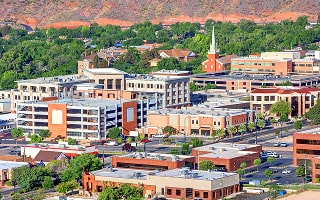
From the steady growth of startups and other established businesses to its wealth of natural resources, Utah has a robust economy and presents numerous opportunities for investors seeking to invest in its real estate market. The state has become a major destination for real estate investors looking for cash flow, outsized return on investment (ROI), and long-term value appreciation. However, each city, town, or neighborhood offers varying degrees of attraction for those looking to build their investment portfolios in Utah.
The following are some Utah municipalities where residential property development may be easiest, creating the possibility for investors to generate a strong ROI:
-
Salt Lake City: As the capital of Utah, Salt Lake City has a rising population, strong job growth (healthcare, finance, and tech), and high rental demand, making it a good area for residential property development with potential for high ROI.
-
Park City: The city is one of the top options for investments in vacation rental properties due to its reputation as a leading ski resort destination with a steady influx of visitors. With an average daily short-term-rental rate of nearly $900, investors who can manage higher entry costs can potentially generate strong returns.
-
West Valley City: As one of the most pro-growth cities in Utah, West Valley City offers investors stable investment prospects backed by a large and diverse renter base.
-
St. George: The influx of retirees and outdoor enthusiasts, as well as strong property appreciation potential, make St. George a thriving housing market in Utah for both long- and short-term investors.
-
Lehi: In recent years, Lehi has been one of Utah's fastest-growing cities. The arrival of new residents drawn by huge tech-jobs growth has also sparked demand for townhouses and single-family homes, as well as upscale long-term rentals.
-
West Jordan: Strong suburban housing demand, transit improvements, and new subdivisions make West Jordan a good place for both developers looking to build and long-term buy-and-hold investors.
-
Orem: With quick access to buzzy economic centers and a strong rental market for students and families, Orem's location in central Utah makes it a suburban haven. The city also offers investors more affordable entry pricing, particularly for those targeting Utah County's housing market.
-
Provo: Home to Brigham Young University, this city enjoys a steady influx of students, faculty, and visitors, creating high rental demand with the potential for reliable rental yields. In addition, resale demand for properties in Provo remains strong.
-
Ogden: The expanding job market in Ogden and renewed downtown redevelopment make the city appealing for real estate investors. In addition, the presence of Weber State University and its student population of more than 30,000 support high rental demand, helping position the city as an emerging real estate hub.
-
Spanish Fork: In addition to its high rental demand from families and commuting professionals, this city offers investors affordable entry prices into the local housing market.
What Home Styles, Sizes, and Features Tend to Sell Fastest in the Utah Market?

Move-in-ready homes in desirable locations with modern features generally sell faster in Utah. Typically, it takes an average of around 40-60 days to sell a residential property in the state. However, the exact time it takes to sell a home in Utah depends on the time of year, market trends, listing price, and the location and condition of the property.
Beyond price and location, certain home characteristics may significantly influence how quickly a home sells in Utah. These include:
-
![]()
Bedrooms: Generally, homes with 3-4 bedrooms and at least 2 bathrooms tend to sell faster in Utah and are more affordable compared with 5-plus-bedroom luxury homes. These homes are big enough for families and typically offer strong resale appeal across buyer segments, like first-time buyers and those looking to upgrade.
Homes with this layout are especially popular in suburban areas like South Jordan, where families seek a balance of convenience, space, and access to urban centers. Similarly, young tech professionals with growing families in Lehi are actively looking to buy 3- to 4-bedroom homes with at least 2 bathrooms, while Spanish Fork's affordable entry prices for these types of homes continue to attract many first-time family buyers.
-
![]()
Size and Lot: In Utah, homes measuring between 2,000 and 2,500 square feet on 0.15- to 0.25-acre lots tend to sell more quickly in most local markets because they're spacious yet manageable to maintain. They generally appeal to families downsizing from larger lots and growing families. These homes usually move quickly in places like West Valley City because they're considered mid-size homes that combine spacious interiors with relative affordability. They're also in high demand in municipalities like Riverton, Layton, and Herriman.
-
![]()
Style: The fastest-moving home styles in Utah are modern Craftsman and contemporary farmhouse styles. They resonate with most buyers who value conventional aesthetics and modern finishes. Contemporary farmhouse styles typically have open-concept interiors and are popular in new suburban builds, often creating stiff competition among buyers in places like Heber City and Orem.
Craftsman home styles generally have inviting porches, good curb appeal, and practical layouts. They tend to sell quickly in established neighborhoods of Provo and typically appeal to local buyers in Cedar City and St. George.
-
![]()
Modern Upgrades: Modern upgrades generally lead to faster home sales in Utah. Properties with good curb appeal, updated bathrooms, open-concept kitchens, home offices, garages, smart-home features, fenced-in yards, energy-efficient systems, and luxury master suites are often the most sought after by buyers in Utah. When homes with these features are in move-in-ready condition, buyers are often willing to pay a premium. Utah municipalities where homes with modern upgrades are in especially high demand include Draper, Salt Lake City, St. George, and Park City.


What Should Home Sellers Know About Zoning Laws, Permits, and Regulatory Requirements in Utah?

The importance of understanding zoning laws, permits, and regulatory requirements as a home seller or developer in Utah cannot be overstated. Compliance with these regulations is vital for property and project management and may help sellers maximize investment potential and returns.
To confirm a property's zoning status and allowable uses, many buyers request a zoning verification letter or certificate of zoning compliance before purchasing a property. These documents can help ensure the property's use complies with its zoning designation, and may help minimize the risk of legal issues or violations. Without this letter, closings may be delayed or fall through if buyers find the property is in violation of zoning laws.
Zoning laws are typically established at the local level to help control land development and land use, and to determine how properties may be used. In addition, they define certain regulatory requirements, such as lot sizes, building heights, and setbacks from property lines.
Understanding the complexities of local zoning laws in Utah can help investors and sellers navigate permitting, local zoning ordinances, and regulatory requirements in each real estate market within the state:
-
Areas with strict zoning laws: These areas typically have strict density limits, tight land-use codes, strong neighborhood preservation protections, and longer review processes. Home sellers and developers should expect careful board or planning commission scrutiny and longer permit timelines, sometimes as long as 6-12 months. Such areas in Utah include Salt Lake City, with strict setback rules and historic overlays, and Park City, which has strict design standards and a strong preservation focus to maintain mountain-resort character. Other areas with strict zoning laws include Alpine, known for low-density zoning with larger minimum lot sizes, and Holladay, which has tight control over redevelopment, particularly in residential neighborhoods.
-
Areas with less bureaucratic zoning laws: These areas are more open to new housing types and generally encourage development with streamlined approvals, local incentives, and flexible zoning codes. They have faster permitting processes and more permissive rules for infill, accessory dwelling units (ADUs), and subdivisions, as well as lower upfront costs for permitting in most cases. Examples of less bureaucratic cities include Spanish Fork, with its pro-growth stance, and Cedar City, which has flexible subdivision rules and incentives for new housing. Other development-friendly areas include Tooele, which offers affordable impact fees and simplified residential zoning, and West Valley City, which encourages development through faster approval processes.
-
Areas requiring a special permit: In some Utah municipalities, special permits, which must be obtained via public hearing and approval from the local planning or zoning commission, are required for proposed projects or uses that don't comply with existing zoning. This includes variances, special building types, or conditional uses. For developers and investors, it's important to work with neighbors and the community to gauge project support, and to schedule hearings early.
Depending on the nature of the project, a community may object to a proposed use or impose certain conditions during public hearings. Areas with this zoning complexity in Utah include South Jordan (public hearings needed for high-density changes and variances), Bountiful (requires public input for hillside developments and variances), and Lehi, where conditional uses for certain mixed-use or multifamily projects require public hearings.
-
Areas requiring a certificate of occupancy before legal occupation: While a certificate of occupancy (CO) is standard in many Utah municipalities, enforcement is stricter in certain cities or towns within the state. In such areas, major remodels, new construction, new units, or changes of use require an updated CO.
For instance, in Salt Lake City, a CO is mandatory for significant building remodels and new builds. In Layton, any substantial addition or renovation will also trigger a CO requirement. Similarly, commercial and residential occupancy changes require a CO in Provo, while all new residential building completions in Herriman need COs.
-
Jurisdictions where the approval of a historic commission is required for certain renovations: These Utah municipalities have some restrictions on roofing materials, facade changes, paint colors, and other exterior changes. They require the local historic preservation commission to review certain changes or additions in some designated historic neighborhoods.
For instance, Ogden historic districts may require Landmarks Commission approval for all exterior changes, while material and style guidelines are enforced in the Center Street area and other parts of Historic Downtown Provo.
Which Towns or Cities in Utah Are Easiest, and Hardest, When It Comes to Navigating Real Estate Regulations?

Navigating the complexities of the real estate regulations in Utah may be challenging. That's why investors must understand current regulations in each local housing market and comply with them to successfully manage projects, avoid legal issues, and maximize investment potential.
Generally, understanding real estate regulations and how they impact property value can go a long way in making informed decisions that conform with local building rules and enhance property value or investment returns. The information below highlights the varying regulatory climates in Utah and how they impact real estate development and investment in different parts of the state:
Development-Friendly Areas
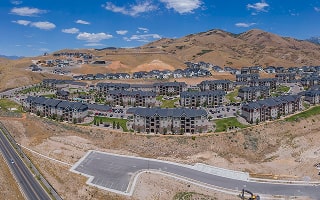
Places with development-friendly regulatory climates in Utah typically make real estate development smoother by offering streamlined permitting, flexible zoning, and pro-growth planning incentives, which largely include redevelopment support and economic development incentives. They also have overlay zones that encourage density. In Utah, these areas include the following:
- Lehi: Clustered housing is permitted through Planned Unit Development (PUD) and Planned Residential Development (PRD) overlays.
- West Valley City: This area offers economic incentives for development.
- Spanish Fork: The city has a transparent permitting portal and is known for explicit ADU guidance.
Moderately Regulated Areas
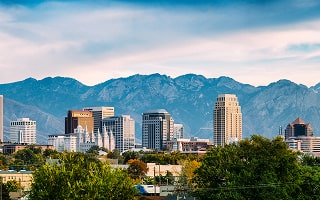
While certain developments require some local changes or additional steps, the regulatory climate is generally more flexible. Zoning changes or overlays in these areas may still allow mixed-use or multifamily housing, but usually require conditional approvals or amendments. In Utah, they include the following municipalities:
- Murray: While not as flexible as some other areas, this city encourages transit-oriented development centered around FrontRunner and TRAX.
- Salt Lake City: Certain ongoing reforms in the city indicate a moderately shifting regulatory environment for real estate development. These reforms include permitting rules to allow triplexes, duplexes, cottages, and mixed-use housing in more zones within the city.
- Provo: Although housing and commercial developments are integrated, particularly near transit centers, the city balances institutional and historic constraints.
Highly Restrictive or Bureaucratic Areas

Slow permitting processes, strict design or height limits, resident opposition or intense public opposition (NIMBYism), historic preservation overlays, and tight zoning make development hard in these Utah municipalities:
- Holladay: The city has strong controls governing residential and commercial growth, as well as limits to help preserve open spaces like parks and trails.
- Springdale: Springdale has ordinances limiting home height and size, which may discourage some housing development.
- Alpine: This city's zoning typically limits density and is designed to preserve rural character through large minimum lot sizes.
- Moab: In Moab, large projects often face intense environmental and public resistance, long delays, and legal threats.
Regulatory Climate Factors

Real-estate regulations and zoning laws are generally set at the local level. As a result, the city, town, or even specific neighborhood where the property is located can determine how easy or difficult it is to develop, renovate, flip, or sell a property.
The table below outlines the major real estate regulatory factors in Utah, their impact on real estate development, and some municipalities and neighborhoods where each regulatory factor is often found:
| Factor | Impact on Development | Where It's Found |
|---|---|---|
Zoning Flexibility |
Determines ease of land use |
Lehi, Logan, Salt Lake City, Cedar City, West Valley City, Riverton, and Orem |
Historic Preservation Laws |
Adds restrictions |
Cedar City, Heber City, Salt Lake City (historical districts), Draper, Bountiful, Park City, and Ogden |
Wetlands/Conservation |
Limits buildable land |
West Point, Moab, Springdale, Tooele, Brigham City, and Layton |
Inclusionary Zoning |
Requires affordable units |
Millcreek, St. George, Park City, West Valley City, Ogden, Salt Lake City, and Logan |
Building Code Enforcement |
Affects cost/speed |
Provo, Salt Lake City, Layton, West Jordan, South Jordan, Herriman, and Orem |
Local Politics/NIMBYism* |
Blocks or delays projects |
Holladay, Alpine, Moab, Springdale, Orem, East Bench neighborhoods (Salt Lake City), Cottonwood Heights, and Provo |
*NIMBYism - Not in My Backyard
What Are the Most Effective Flipping and Resale Strategies for Maximizing Profit in Utah's Housing Market?

House flipping involves buying a property and reselling it quickly for a profit (often after making improvements to increase its appeal to potential buyers). The first step to maximizing profits from flipping and reselling properties is identifying undervalued properties, particularly those requiring cosmetic fixes.
Despite its smaller market size compared to some other states, Utah's strong economy, growing population, consistent demand, and relatively high foreclosure rate offer investors plenty of opportunities to invest in the state's housing market. However, to maximize profits from real-estate investments, it's important to adopt the right acquisition and resale strategy based on the subject property's location:
-
![]()
Target Distressed or Foreclosed Homes: In places like Salt Lake City, Ogden, Provo, and West Valley City, experienced flippers may consider purchasing distressed or foreclosed homes at discounted prices. These areas either have more older homes with flip potential and/or steady housing demand in the rental market. Other locations like St. George are known for buoyant resale markets driven by retirees and relocation demand. This strategy generally gives flippers significant upside potential, but may require more experience, patience, and upfront capital.
-
![]()
Use the 70% Rule [Maximum Offer = (ARV x 70%) - Repair Costs]: This rule calculates the maximum offer price for any property by estimating a home's resale value, renovation costs, and profits. It's a conservative method that can help ensure profitable flips and works well in places with steady markets and predictable after-repair-value (ARV) and comps, such as Salt Lake City (suburbs), Ogden, St. George, and West Valley City.
-
![]()
Try Wholetailing for Speed: This strategy is effective in neighborhoods with high demand for move-in ready homes, but where buyers don't expect full renovations. Examples include areas such as West Valley City, Sandy, Provo, and Salt Lake City. It involves purchasing a home and completing minor renovations to get it ready for quick resale.
-
![]()
Build Strong Deal Pipelines with Lead Gen: This involves consistently sourcing for flips through direct mail, wholesalers, or networking. In Utah, it works best in areas with robust wholesaler networks and high turnover, such as Lehi, Provo, Salt Lake City, and Ogden.
-
![]()
Renovate with Quality, Don't Cut Corners: This strategy may be adopted in mid-price and luxury markets like Riverton, Sandy, Park City (suburbs), and Draper, where many discerning buyers expect high-quality work. It involves using quality finishes when renovating, which may help maximize resale price and reduce time on market.
-
![]()
Follow the BRRRR Method (Buy, Rehab, Rent, Refinance, Repeat): With the BRRRR method, investors can purchase undervalued homes, rehabilitate them, rent them out for cash flow, refinance to recover capital, then repeat the process with the next home. It's most effective in areas with a stable rental base, such as Orem, Provo, Riverton, West Jordan, and Ogden.
-
![]()
Try Micro-Flipping (Digital Wholesaling): Micro-flipping works best in fast-moving housing markets with active investor communities, like Provo, Lehi, and West Valley City. It comes with little to no holding risk and generally involves assigning an agreement of sale using digital marketing through real estate data platforms.
-
![]()
Go Beyond Cosmetic Work (Value-Add Flipping): This strategy may be adopted in places like Sandy, Orem, Park City (suburbs), and South Jordan, where homebuyers are willing to pay a premium. It works by making major renovations or improvements to bathrooms, kitchens, and interiors, as well as converting single-family homes to multifamily homes (where permitted by zoning).
-
![]()
Invest in Tax Liens or Tax Deeds: This works best in areas with defined tax processes like Orem, Provo, Cedar City, St. George, and Ogden. The strategy involves purchasing properties with delinquent tax bills, which are often deeply discounted, then reselling after the necessary legal cleanup. While this flipping and resale strategy may yield attractive returns, knowledge of the local market and tax sale processes is typically a must.
-
![]()
Target FHA 203(k) Buyers: This strategy is most effective in strong first-time homebuyer markets like Provo, Sandy, West Valley City, and the suburbs of Salt Lake City. It generally involves marketing flips as FHA 203(k) rehab-qualified purchases to attract individuals looking to finance their home purchase with FHA loans, which also includes funding for repairs and renovations.
-
![]()
Use Professional Staging and Strategic Pricing: This is one of the most effective flipping strategies in competitive and high-traffic markets like Salt Lake City, St. George, Park City, and Ogden. It involves hiring a professional to help stage a flip and pricing it strategically to trigger competitive offers and promote a quick sale.


How Should Sellers Price Their Homes to Attract Buyers While Maximizing Value in Utah?

Understanding buyer preferences and conducting thorough market research may help set the right prices for properties in Utah while still maximizing resale value. Before listing, home sellers should consider working with local experts who can help monitor market trends, analyze comparable sales within the last 90 days, and strategically price homes in ways that will attract serious buyers to generate the best ROI.
In Utah, leveraging one or more of the following home pricing strategies may help sellers drive competition, attract multiple offers, and sell their property faster and for more money:
-
![]() Pricing Just Below Below Market Thresholds: This requires listing a property just below a key price threshold to make it appear in more search results and seem more affordable. For instance, listing a property as $399,900 instead of $400,000 will likely drive more online traffic and showings. This strategy is more effective in competitive markets where buyers are price-conscious and generally search within fixed budget filters, such as Ogden, Salt Lake City, Sandy, and Lehi.
Pricing Just Below Below Market Thresholds: This requires listing a property just below a key price threshold to make it appear in more search results and seem more affordable. For instance, listing a property as $399,900 instead of $400,000 will likely drive more online traffic and showings. This strategy is more effective in competitive markets where buyers are price-conscious and generally search within fixed budget filters, such as Ogden, Salt Lake City, Sandy, and Lehi.
-
![]() Charm Pricing (Psychological Pricing): This works best in markets where buyers like to compare similar listings closely and in mid-tier markets where buyers are price sensitive and generally motivated by perceived savings. In Utah, these markets include Orem, Provo, Logan, Bountiful, and West Jordan. The strategy works by setting home prices using numbers ending in 7 or 9, like $399,997, to prompt the perception of a bargain.
Charm Pricing (Psychological Pricing): This works best in markets where buyers like to compare similar listings closely and in mid-tier markets where buyers are price sensitive and generally motivated by perceived savings. In Utah, these markets include Orem, Provo, Logan, Bountiful, and West Jordan. The strategy works by setting home prices using numbers ending in 7 or 9, like $399,997, to prompt the perception of a bargain.
-
![]() Pricing to Create a Bidding War: Sellers can price a property slightly below market value to attract multiple offers and allow competition to drive up the price. It generally works well in places where luxury homebuyers often outbid the competition, and in prime locations where low inventory tends to pit many buyers against each other, such as Park City, Salt Lake City, and Draper. This strategy may also be effective in places like Lehi, where rapid relocation growth creates urgency.
Pricing to Create a Bidding War: Sellers can price a property slightly below market value to attract multiple offers and allow competition to drive up the price. It generally works well in places where luxury homebuyers often outbid the competition, and in prime locations where low inventory tends to pit many buyers against each other, such as Park City, Salt Lake City, and Draper. This strategy may also be effective in places like Lehi, where rapid relocation growth creates urgency.
-
![]() High-Anchor Pricing (Test the Waters): This strategy involves pricing a home above market value to test the responses of buyers, then adjusting the price if needed. In Utah, this works well in places like Holladay, where luxury buyers value location more than home prices, and in other high-priced areas such as Park City, Alpine, and Moab.
High-Anchor Pricing (Test the Waters): This strategy involves pricing a home above market value to test the responses of buyers, then adjusting the price if needed. In Utah, this works well in places like Holladay, where luxury buyers value location more than home prices, and in other high-priced areas such as Park City, Alpine, and Moab.
-
![]() Price-Per-Square-Foot Benchmarking: This pricing strategy enables sellers to set a competitive price by comparing the price per square foot of recent sales within the same locality. It's most effective in places where more uniform housing stock makes for easy comparison, and areas where new subdivisions compete directly. In Utah, such places include St. George, Layton, Farmington, and Cedar City.
Price-Per-Square-Foot Benchmarking: This pricing strategy enables sellers to set a competitive price by comparing the price per square foot of recent sales within the same locality. It's most effective in places where more uniform housing stock makes for easy comparison, and areas where new subdivisions compete directly. In Utah, such places include St. George, Layton, Farmington, and Cedar City.
-
![]() Appraisal-Backed Pricing: This pricing strategy helps give homebuyers using FHA or VA loans more confidence that the home will appraise at or above their offer price. It involves setting a price based on a professional appraisal, which is a requirement for government-backed purchase loans. Appraisal-backed pricing works well in places where buyers are cautious of inflated prices, and in new construction areas where appraisals typically validate value, such as Tooele, Saratoga Springs, Payson, and Kaysville.
Appraisal-Backed Pricing: This pricing strategy helps give homebuyers using FHA or VA loans more confidence that the home will appraise at or above their offer price. It involves setting a price based on a professional appraisal, which is a requirement for government-backed purchase loans. Appraisal-backed pricing works well in places where buyers are cautious of inflated prices, and in new construction areas where appraisals typically validate value, such as Tooele, Saratoga Springs, Payson, and Kaysville.
-
![]() Net-to-Seller Pricing: This involves pricing a property based on how much the seller needs to walk away with after factoring in all expenses, including fees and taxes. It can be adopted by sellers who want to have almost every dollar realized from home sales, and is more effective in Utah municipalities like Eagle Mountain, Price, Spanish Fork, and Clearfield.
Net-to-Seller Pricing: This involves pricing a property based on how much the seller needs to walk away with after factoring in all expenses, including fees and taxes. It can be adopted by sellers who want to have almost every dollar realized from home sales, and is more effective in Utah municipalities like Eagle Mountain, Price, Spanish Fork, and Clearfield.
-
![]() Urgency Pricing (Motivated Seller Strategy): This strategy involves creating an impression that a property needs to sell fast by pricing it aggressively low in a bid to attract buyers. It works well in situations where a quick sale is a top priority, often due to divorce, pre-foreclosure pressure, and relocation. It's most effective in markets where entry-level buyers respond to urgency, such as Magna, and in Ogden, where active investors usually jump on deals.
Urgency Pricing (Motivated Seller Strategy): This strategy involves creating an impression that a property needs to sell fast by pricing it aggressively low in a bid to attract buyers. It works well in situations where a quick sale is a top priority, often due to divorce, pre-foreclosure pressure, and relocation. It's most effective in markets where entry-level buyers respond to urgency, such as Magna, and in Ogden, where active investors usually jump on deals.


Adopting the strategies listed in the table below based on the prevailing market conditions in a locality may help attract buyers, generate offers, and increase the chances of a higher return on investment:
| Market Condition | Best Strategy |
|---|---|
Seller's Market |
Underpricing for a bidding war |
Buyer's Market |
Charm pricing or net-to-seller |
Unique, luxury home |
High-anchor + value justification |
Entry-level home |
Just below threshold |
Urgent sale needed |
Aggressive urgency pricing |
Flipper or investor listing |
Appraisal-backed or price-per-square-foot |
Which Key Economic, Social, and Regulatory Factors Are Driving Current Trends in Utah's Local Property Markets?

The following factors generally shape Utah's local property markets and help drive demand and supply trends:
![]() Economic Factors
Economic Factors
 Economic Factors
Economic factors, like regional gross domestic product (GDP) expansion and strong job growth, fuel housing demand and push home prices up. On the other hand, higher interest rates can dampen buyer motivation. For instance, booming healthcare and tech jobs are fueling housing demand in Salt Lake City, while a fast-growing tech corridor is driving competition in Provo.
![]() Demographic and Social Factors
Demographic and Social Factors
 Demographic and Social Factors
In Utah, immigration, rapid population growth, changing household needs, and affordability concerns are heightening housing demand in some areas, such as St. George, Provo, Tooele County, and Salt Lake City. The shift in household demographics, often due to cultural preferences and age distribution, are also causing elevated competition in home prices.
![]() Regulatory and Legal Framework
Regulatory and Legal Framework
 Regulatory and Legal Framework
Generally, ADU allowances, local zoning laws, and other regulatory frameworks can determine density, development feasibility, and housing types in a particular area. Places with restrictive zoning typically see very limited home supply and elevated prices, while areas with moderate and development-friendly regulations tend to have more home supply and more affordable housing stock.
![]() Taxation and Fiscal Policy
Taxation and Fiscal Policy
Certain types of incentives and property tax rules tend to influence housing affordability, holding costs, and investor behavior in Utah. Tax incentives generally encourage housing supply, while predictable property taxes make ownership more stable.
![]() Infrastructure and Development Trends
Infrastructure and Development Trends
 Infrastructure and Development Trends
Access to road expansions and other infrastructure development typically boosts housing attractiveness and shapes housing supply in Utah. However, proximity to infrastructure development may carry a premium, leading to higher home prices. For instance, Interstate 15 improvements and FrontRunner expansion have spurred growth in Orem, Provo, and Vineyard.
Utah's housing market is transitioning to a more balanced market, but median home prices remain high. Most homes now take around 60 days to sell, prompting more competitive pricing and a slowdown in price growth. However, real estate investments may yield a high ROI in places like Salt Lake City, Lehi, Ogden, Park City, and Layton, where jobs and wage growth continue to drive strong housing demand but inventory remains limited.
Homes with 3-4 bedrooms and at least 2 bathrooms tend to sell fast throughout the state, particularly when they include modern upgrades. As always, those looking to invest in real estate in Utah should understand the local zoning laws and regulatory requirements in the locality where they intend to buy or develop. Hiring a local agent or contractor who understands the local zoning codes is generally recommended.
Table of Contents
- Utah Home Selling
- Which Areas in Utah Offer the Best Return on Investment and Are Easiest for Residential Property Development?
- What Home Styles, Sizes, and Features Tend to Sell Fastest in the Utah Market?
- What Should Home Sellers Know About Zoning Laws, Permits, and Regulatory Requirements in Utah?
- Which Towns or Cities in Utah Are Easiest, and Hardest, When It Comes to Navigating Real Estate Regulations?
- What Are the Most Effective Flipping and Resale Strategies for Maximizing Profit in Utah's Housing Market?
- How Should Sellers Price Their Homes to Attract Buyers While Maximizing Value in Utah?
- Which Key Economic, Social, and Regulatory Factors Are Driving Current Trends in Utah's Local Property Markets?